30 Years. Two Cups.
Still Jumping.

From the NHL to Penn State to Phoenix — the story behind Train Ageless.

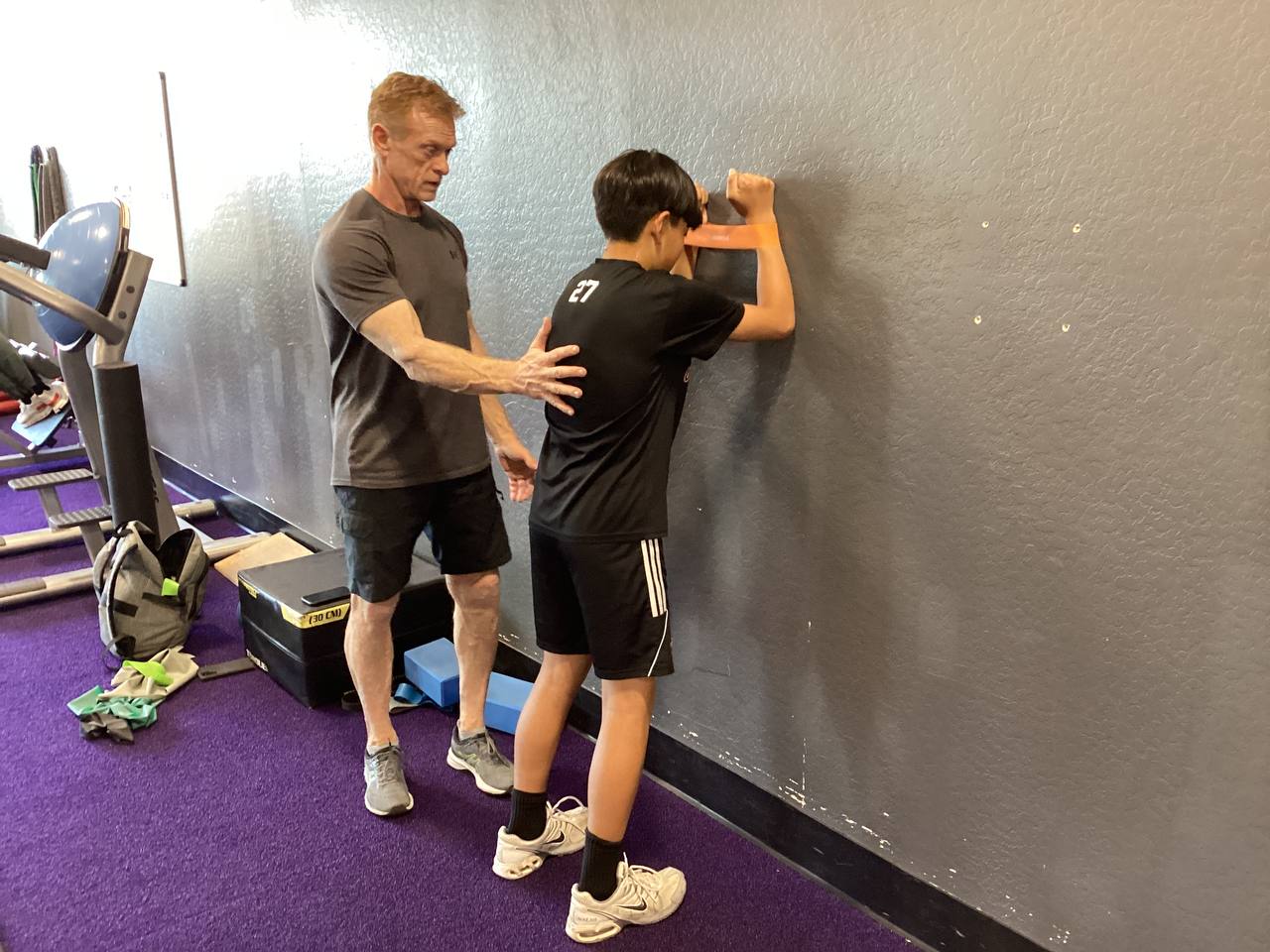
Robert McLean with focused expression, coaching an athlete through a wall drill

I didn't start as a strength coach. I started on the ice.

I played hockey at a competitive level and spent years working inside NHL organizations — first as Head Equipment Manager, then as a Skate Technician. I became known as one of the best skate sharpeners in the league.

That sounds like a narrow skill until you understand what it actually requires: a deep knowledge of skating biomechanics, blade geometry, and how the human body transfers force through ice. That foundation changed how I saw movement.

When I transitioned into strength coaching — eventually serving as Head Strength Coach in the NHL and Head NCAA Strength Coach at Penn State — I brought that same systems-level thinking to how I built and repaired athletes. I wasn't just counting reps. I was watching how the body moves, finding where it compensates, and building it back from the ground up.

Over 30 years, I've coached thousands of athletes across hockey, golf, track, and more. I've worked with kids just starting out and professionals at the peak of their sport.
Championship
Two-Time Stanley Cup Champion
NHL
Former Head Strength Coach
NCAA
Head Strength Coach, Penn State

I'm 60 years old. I've had 10 knee surgeries.

I still hit a 42-inch box jump. That's not a boast — it's proof of what's possible when you train correctly and address movement at its root.

Life gets smaller when people stop moving well. I've seen it too many times. Movement defines freedom — in sport, yes, but also in how you experience everyday life. The ability to get on the floor and play with your grandkids. To hike. To compete. To feel like yourself.

I work with older athletes because I am one. I understand the frustration of feeling limited by a body that used to do more. I know the doctors who say "that's just your age." And I know how to change that.

I work every day to maintain my own mobility because I've seen what happens when people stop. This isn't theory. It's a practice I live.

Robert McLean at 60 — still doing the work.

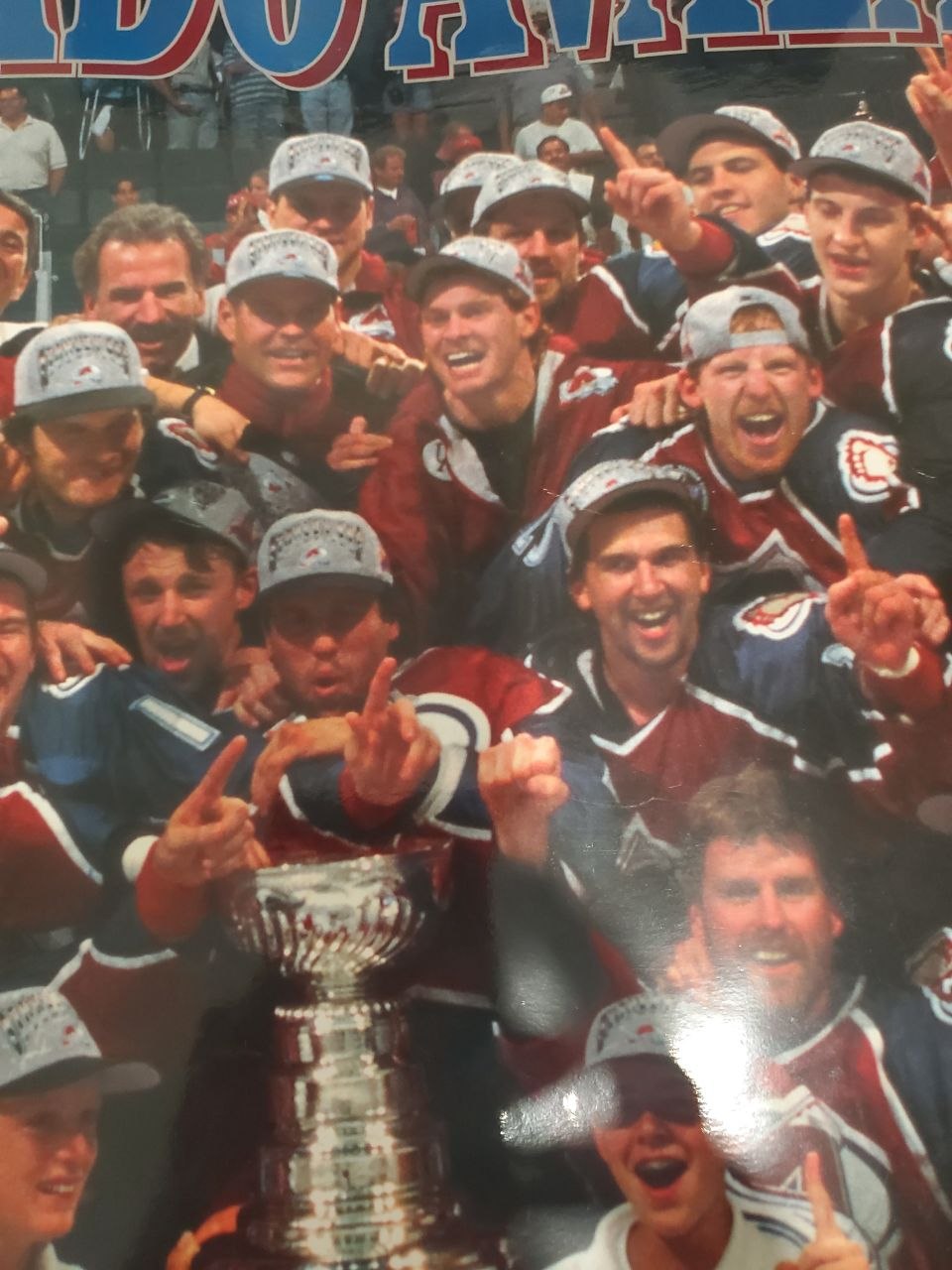
1996 Colorado Avalanche Stanley Cup Champions team photo

1996 Colorado Avalanche — Stanley Cup Champions. Robert McLean, center.

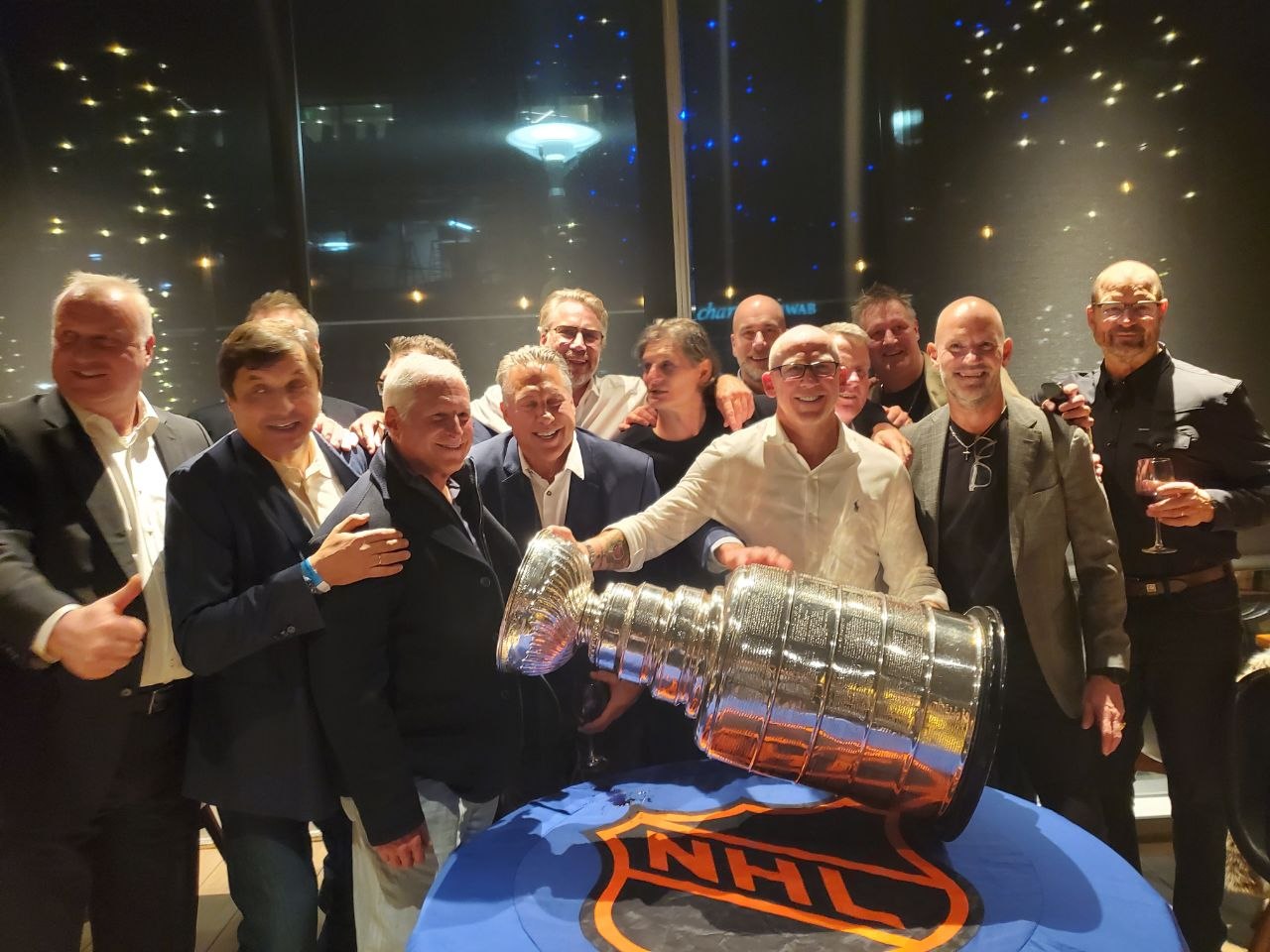
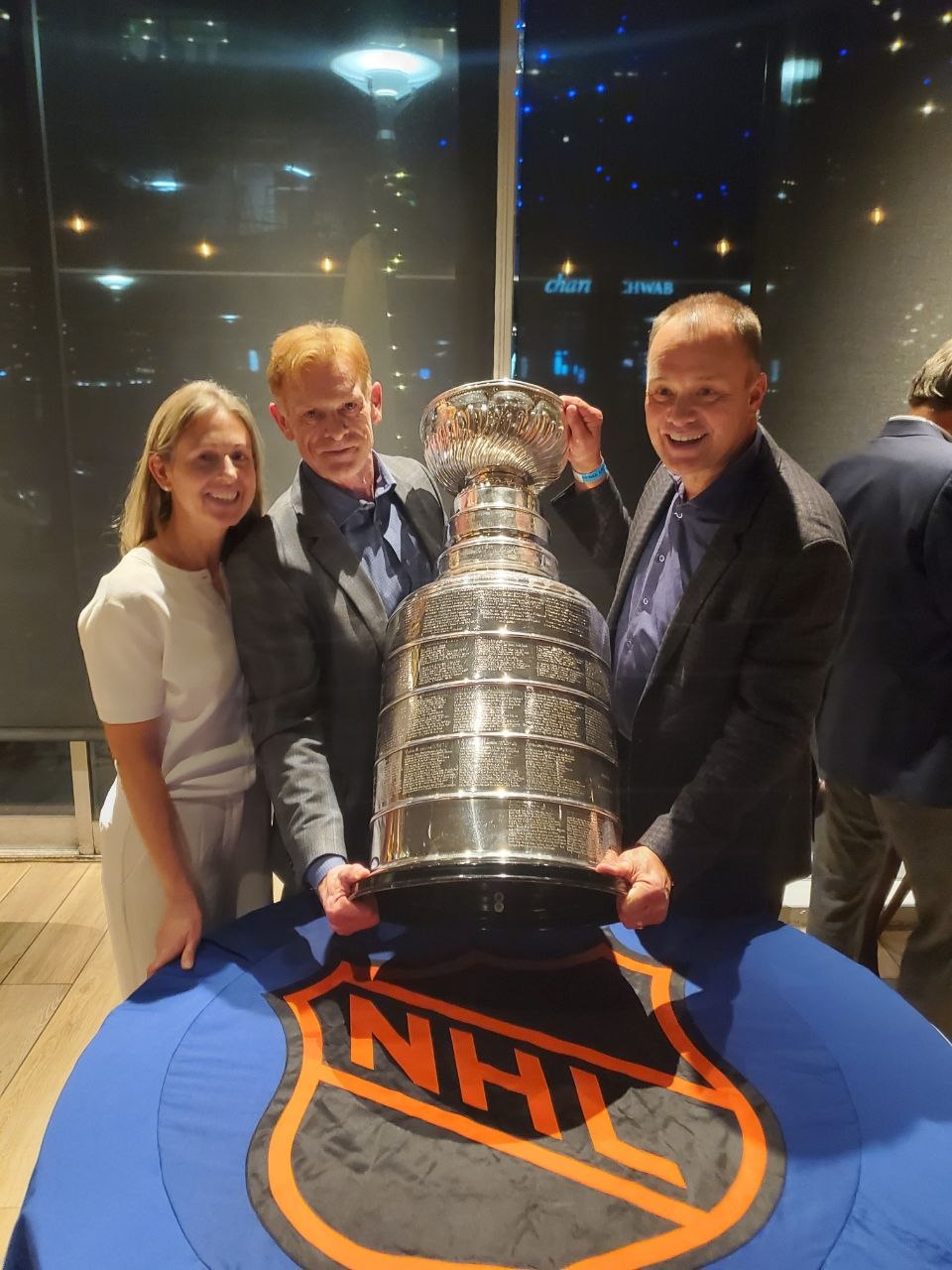
Robert McLean with teammates and the Stanley Cup at the 30-year reunion in Denver, 2025

30 years later — Denver, December 2025. Some things never get old.

The 1996 Colorado Avalanche reunited 30 years later in Denver

The boys — 30-year reunion of the 1996 Stanley Cup Champions.

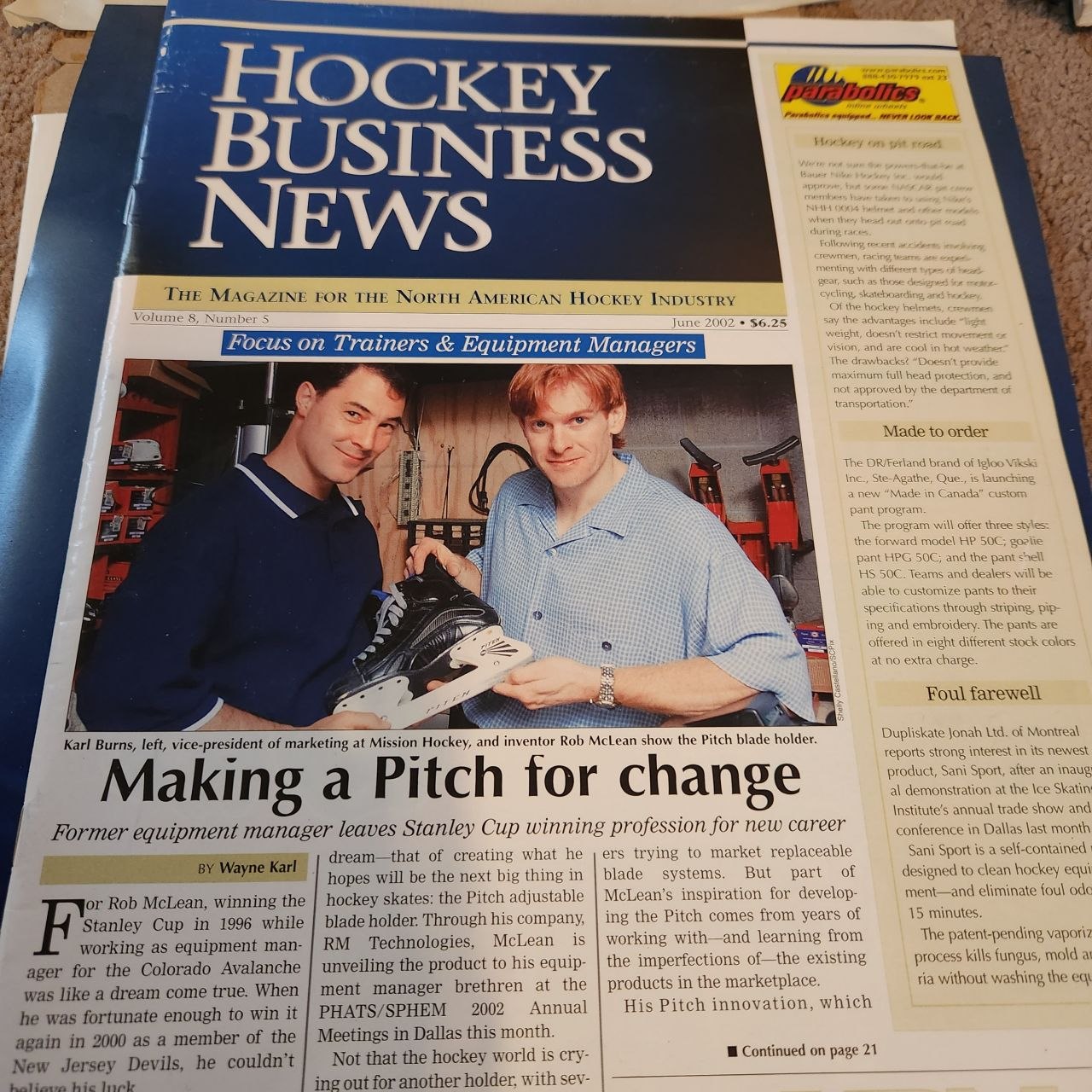
Robert McLean featured in Hockey Business News, June 2002

Hockey Business News, June 2002 — inventor of the Pitch adjustable blade holder.

I don't treat injuries.
I correct the patterns that cause them.

Before I design a single exercise, I watch you move. I look at how your hips rotate, how you breathe, how your center of mass shifts. I find the restriction that's creating the problem downstream.

Then we fix that.

It's not complicated. But it requires knowing where to look — and that comes from 30 years of watching how athletes move and break down. Most problems aren't where the pain is. They're upstream of it.

View Services
  • 01 Watch first. Every client starts with a full movement assessment — no assumptions, no shortcuts.
  • 02 Find the upstream pattern. The problem is rarely where the pain is. I find where the dysfunction starts.
  • 03 Rebuild the movement. Purpose-built programming that corrects the root cause — and keeps it corrected.
  • 04 Keep improving. Mobility work is ongoing. I'll be here as long as you want to keep getting better.
  • Let's find out what's holding you back.

    Book a consultation and I'll tell you exactly what I see — and what we can do about it.

    Book a Consultation